I sold my company for low 6 figures last year.
Good money. But it didn’t change my life.
I always wondered: what separates a 6 figures exit from a $10M one?
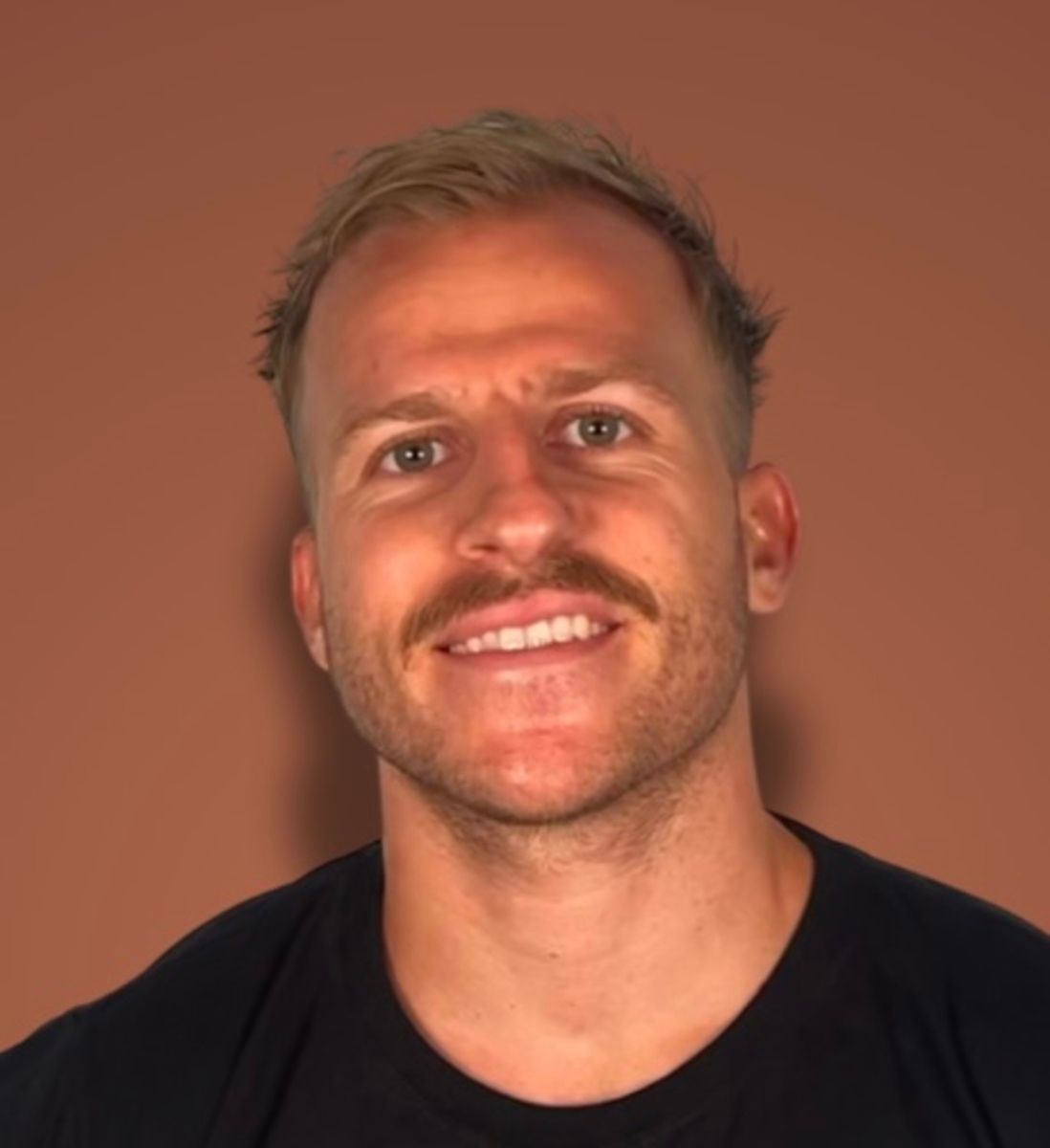
So I sat down with Andrew Gazdecki. He built Bizness Apps to $10M a year, exited for 8 figures. Then he built Acquire.com, the leading marketplace for startup acquisitions under $50M.
And closed over $1 billion in deals.
The guy has seen thousands of companies get acquired. He knows exactly what separates the ones that sell for $10M from the ones that sell for nothing.
Here's what stuck with me:
Timing beats talent
Andrew's first company exploded because the iPhone had just come out. Small businesses needed mobile apps. Custom development cost $50,000. He built a drag-and-drop builder for a fraction of that.
Right place. Right time. Product market fit in 30 days.
He referenced a TED talk by Bill Gross that studied why startups succeed. The #1 factor? Not the team. Not the product. Timing.
His advice for 2026: look at every big SaaS company (Salesforce, Workday) and ask: how could this be rebuilt with AI? That's where the timing is right now.
Distribution is the real product
Business Apps didn't win because the software was revolutionary. It won because Andrew figured out distribution.
Instead of selling directly to small businesses (brutal), he partnered with digital agencies worldwide. Let them white-label his software. Tens of thousands of apps sold across 30+ languages.
His exact words: "I would still tell the company internally that we were a distribution company. Even though we sold software, our main focus is distribution."
The takeaway: if you don't have a competitive edge in how you acquire customers, it's going to be really hard to succeed. Especially now, when building products is getting easier by the day.
The $10M exit playbook (from real data)
From over $1 billion in acquisitions on Acquire[.]com, here's what Andrew sees in companies that sell for $10M+:
B2B over B2C. B2B, because B2C churn kills valuation.
Bootstrap over VC. 95% of acquisitions on Acquire are bootstrapped. VC-backed exits are usually not happy stories for founders.
Lean teams. Small, efficient, capital-efficient. No bloat.
3-4 years minimum. Short timelines = additional risk for buyers.
Clean financials. The #1 red flag? No P&L ready when buyers sign the NDA.
Multiple buyers competing. "If you have one buyer, you have no buyers." Competition drives multiples up. Without it, he's seen SaaS businesses sell for 0.5x. So build in a competitive market!
The journal trick
Andrew keeps a monthly business journal. Takes 60 seconds. He writes what happened, what he's worried about, and three things he's grateful for.
The magic: next month, he reads last month's worries. Almost all of them got solved. It rewires your brain to see problems as temporary. Proof stacking that everything will be fine.
Simple. Powerful. I'm stealing this one.
If he started over in 2026
Start a newsletter. Interview operators in a boring B2B niche. Learn their pain points. Use AI to build something better than the clunky tools they're stuck with.
Pick something specific. Pizza shops with ordering. A niche HR tool. Not broad. Specific.
Then get lucky. But put yourself in a position where luck can find you.\
In the podcast, Andrew also breaks down:
• Why his crypto exchange was "kind of a disaster"
• How he got featured in TechCrunch, NYT, and WSJ
• What changed (and didn't) after his first big exit
• The CEO peer group that leveled him up ($12k/year)
• Why you should sell when things feel like they can't get better
See you Thursday for the next episode!
Florian